Structured Literacy & Dyslexia Therapy
Reading should be more than extra practice.

Linked in Literacy provides individualized, evidence-based structured literacy instruction designed to address the underlying skills needed for successful reading and spelling.
Instruction is explicit, systematic, cumulative, and tailored to each student’s individual needs.
Who Is This Service For?
Structured literacy instruction is honestly good for all kids, but it may be essential for kids who:
- Have dyslexia or characteristics of dyslexia
- Struggle to decode unfamiliar words
- Have persistent difficulty with spelling
- Read slowly or with significant effort
- Guess at words rather than sounding them out
- Have difficulty remembering previously taught reading patterns
- Have received reading intervention but continue to struggle
- Need more explicit and individualized instruction than they are currently receiving
A formal dyslexia diagnosis is NOT required to rec

More Than Tutoring
For students with significant reading difficulties, simply providing more reading practice is often not enough.
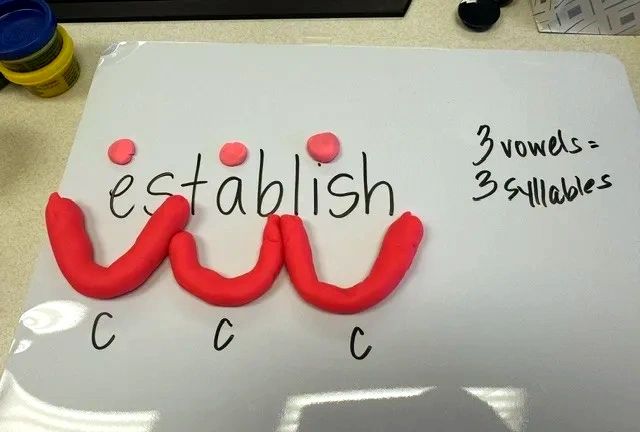
Structured literacy directly and systematically teaches the skills that support successful reading and spelling. Instruction is:
Explicit
Skills and concepts are directly taught, modeled, and practiced rather than left for the student to discover independently.
Systematic & Cumulative
Skills are taught in a carefully planned sequence, with new learning building upon previously mastered concepts.
Diagnostic & Individualized
Instruction is continually adjusted based on student performance, progress, and areas of need.
Specialized Training Matters
Effective intervention for students with dyslexia requires more than good intentions and general tutoring experience.
Linked in Literacy provides instruction grounded in structured literacy and Orton-Gillingham principles, including the Wilson Reading System® when appropriate.
Melissa Reber holds a Master of Education (M.Ed.) in Reading and is a Certified Academic Language Practitioner (CALP), Certified Orton-Gillingham Practitioner, and Certified Wilson Dyslexia Therapist. Her advanced training and experience are focused specifically on helping students with persistent reading and spelling difficulties.